
The Tuba: Deep Voice of the Brass Family | History, Types & Techniques
The Tuba: The Deep Voice of the Brass Family
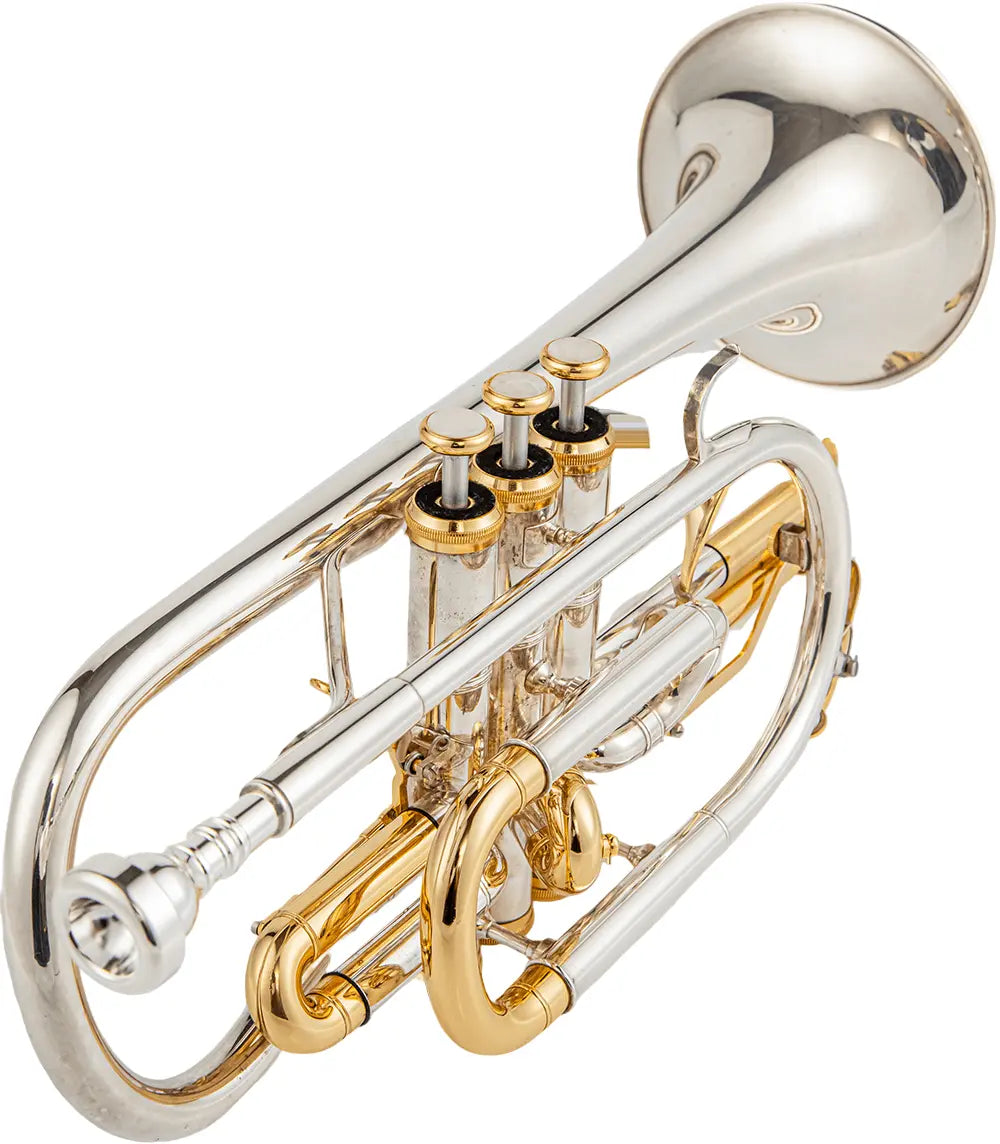
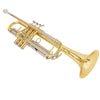
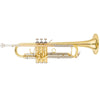
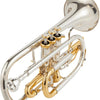
The tuba is the lowest-pitched instrument in the brass family, instantly recognizable by its large bell and curved tubing. Known for its rich, deep, and resonant tone, the tuba provides the essential bass foundation in orchestras, brass bands, and military ensembles.
Structure of the Tuba
A typical tuba consists of:
-
Curved tube body: Creates the instrument’s deep, powerful tone.
-
Large bell: Projects sound clearly across ensembles.
-
Valve system (piston or rotary): Allows players to change pitch and produce a wide range of notes.
-
Supporting frame: Helps handle the instrument comfortably during performance.
Its design allows the tuba to deliver the low-end sound that defines the brass section.
Tone and Sound Quality
The tuba’s tone is deep, majestic, and resonant, providing strength and richness to bass parts. It supports harmony while adding character and depth to orchestral, band, and ensemble music.
Range and Playing Technique
-
Range: From low E♭ to high F above middle C.
-
Player: Tubists require strong lung capacity, breath control, and solid music theory knowledge.
-
Pitch Control: Piston or rotary valves direct airflow to produce different notes and timbres.
Types of Tuba
Different tuba types suit various musical needs:
-
Bass Tuba: Most common in orchestras.
-
Tenor Tuba (Euphonium): Higher range, often used in solos or smaller ensembles.
-
Contrabass Tuba: The deepest, most powerful variant.
-
Baby Tuba: Smaller, lighter, and ideal for beginners.
History of the Tuba
Invented in early 19th-century Germany, the tuba evolved into multiple designs and sizes. Today, it is a versatile instrument used in classical, jazz, military, and contemporary music.
Role in Music
The tuba is indispensable across genres:
-
Symphony Orchestras: Provides the bass foundation.
-
Military and Brass Bands: Drives rhythm and harmony.
-
Chamber Music & Ensembles: Adds depth and warmth.
-
Folk and Rock Bands: Offers a unique, powerful sound.
Conclusion
The tuba is more than the lowest brass instrument—it is the backbone of ensembles. Its deep, commanding tone enriches music with character, weight, and harmony, making it truly irreplaceable in orchestras, bands, and other musical settings.
The tuba stands as a cornerstone of brass instrumentation, delivering the foundational bass that anchors orchestras, concert bands, and ensemble performances. Its commanding presence and rich tonal qualities make it an instrument of considerable musical significance.
Acoustic Properties and Tonal Characteristics
The tuba's acoustic signature is defined by its expansive bore and substantial bell diameter, which together produce a tone characterized by depth, warmth, and projection. This tonal palette enables the instrument to function effectively across dynamic ranges—from delicate pianissimo passages requiring refined control to powerful fortissimo statements that command attention within large ensemble contexts. The instrument's ability to sustain long phrases with consistent tone quality makes it particularly valuable in legato passages.
Construction and Engineering
Modern tubas employ either piston or rotary valve mechanisms, each offering distinct ergonomic and acoustic advantages. Piston valves, common in American designs, provide rapid articulation and straightforward maintenance. Rotary valves, prevalent in European instruments, deliver smoother airflow characteristics and are favored by players prioritizing tonal refinement. The instrument's tubing configuration—typically ranging from 16 to 18 feet in length—is engineered to optimize resonance while maintaining playability.
Repertoire and Performance Applications
The tuba's versatility extends across multiple musical disciplines. In symphonic contexts, it provides harmonic support and rhythmic definition to the bass section. Chamber music applications showcase the instrument's lyrical capabilities, particularly in works written for tuba and piano or small brass ensembles. Contemporary classical compositions increasingly feature tuba as a solo instrument, expanding its traditional role and demonstrating its expressive potential. Jazz and popular music contexts further illustrate the instrument's adaptability, where it contributes both rhythmic drive and harmonic foundation.
Technical Mastery and Performance Standards
Proficiency on the tuba demands substantial technical preparation. Players must develop exceptional breath control, embouchure strength, and intonation accuracy across the instrument's extended range. The physical demands of tuba performance—managing the instrument's weight while maintaining postural stability—require dedicated conditioning and proper technique development. Advanced players cultivate the ability to execute rapid passages, navigate complex harmonic progressions, and produce nuanced dynamic variations essential for professional-level performance.
-
Posted in
tuba


Please upload banner from store admin blog pages