
Piccolo vs Flute: Key Differences Every Student Musician Should Know
Are you trying to decide between a flute and a piccolo for your school band, orchestra, or solo practice? While these two woodwind instruments share similarities, they differ in size, range, tone, and playability. Understanding these differences can help you choose the right instrument for your musical journey.
What Is a Flute?
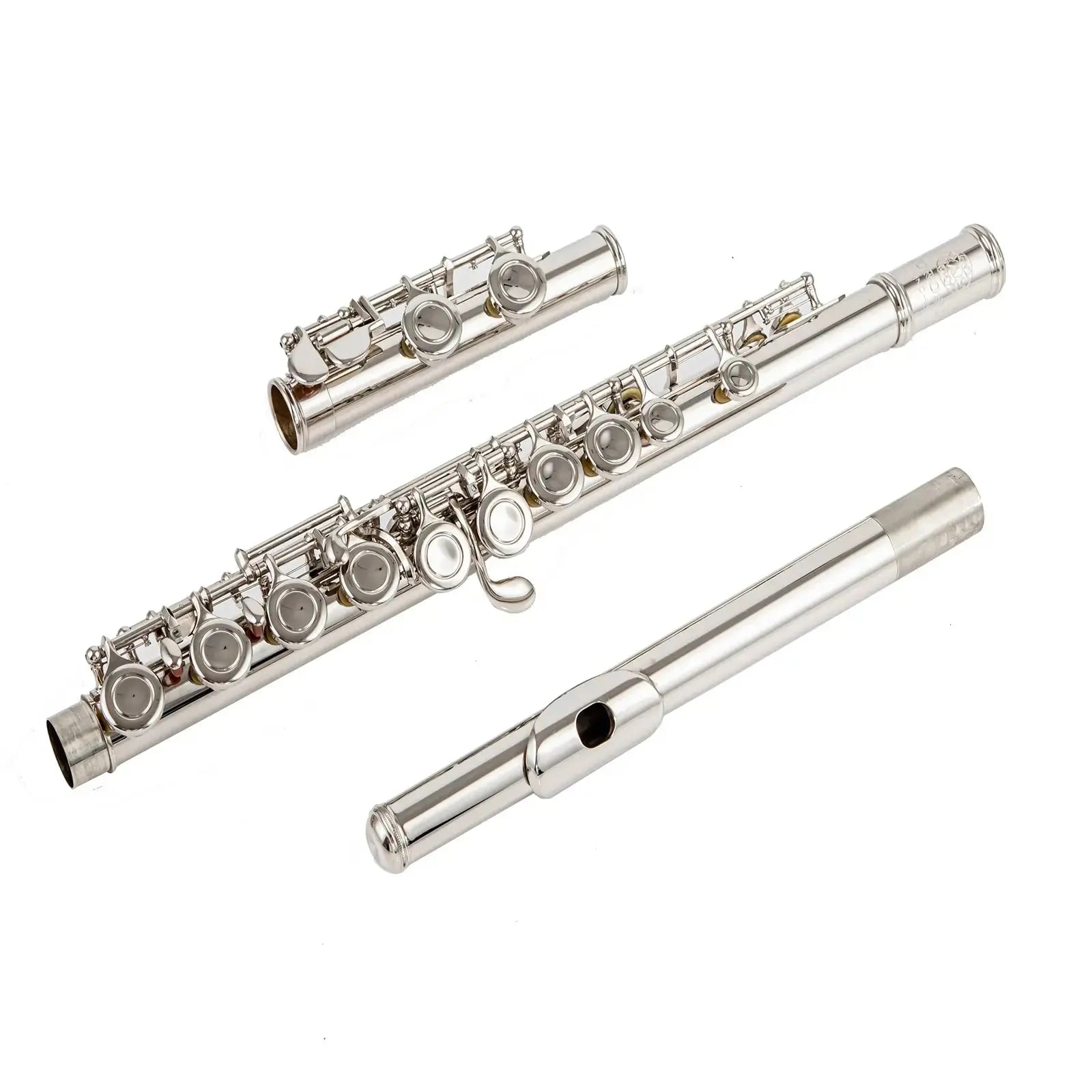
A flute is a standard C-key woodwind instrument widely used in school bands, orchestras, and solo performances. Made from metal or silver-plated materials, flutes produce a clear, bright tone suitable for beginners, intermediate students, and advanced musicians.
Key Features of a Student Flute:
-
C key standard tuning
-
16–17 keys (closed-hole or open-hole options)
-
Lightweight design for easier handling
-
Smooth key action for beginners
-
Commonly used in school bands, youth orchestras, and ensemble practice
What Is a Piccolo?
A piccolo is a smaller woodwind instrument, usually tuned one octave higher than the flute. Piccolos are made from plastic, composite, or African Blackwood, and are often used in school bands, orchestras, and marching ensembles.
Key Features of a Student Piccolo:
-
C key tuning, one octave above flute
-
Smaller body and keys (lightweight and portable)
-
Split E mechanism for accurate high notes
-
Wave-style or standard headjoint for airflow control
-
Typically used in school bands, orchestras, and marching ensembles
Flute vs Piccolo: Size & Range Comparison
| Feature | Flute | Piccolo |
|---|---|---|
| Length | ~26 inches | ~12–13 inches |
| Pitch | Middle C to C7 | One octave higher than flute |
| Tone | Bright, clear, full | Brilliant, piercing, high-pitched |
| Weight | Slightly heavier | Lighter, easier for small hands |
| Finger Stretch | Standard | Shorter, smaller key distance |
Playability Differences
Air Support & Embouchure
-
Flute: Moderate breath support; easier for beginners.
-
Piccolo: Requires focused air control; challenging for absolute beginners.
Tone Control & Intonation
-
Flute: Stable intonation; easier to blend in ensembles.
-
Piccolo: High-pitched, sensitive to breath pressure; ideal for advanced students.
Beginner Considerations
-
Start with a flute if you are a beginner or younger student.
-
Transition to piccolo once you have basic flute technique and control over higher registers.
Material & Construction
Student Flute: Nickel-silver, silver-plated, or alloy body; closed-hole for easier fingering.
Student Piccolo: Plastic for marching/outdoor use; African Blackwood for indoor/concert; silver-plated keys. Wooden piccolos provide warmer tone but require careful maintenance, including swabbing and cork grease.
Ensemble Use
-
Flute: Often provides melody lines and harmonies in school bands and orchestras.
-
Piccolo: Adds brilliance and high-end sparkle; commonly used in marches, wind ensembles, and orchestral pieces.
Which One Should You Choose?
Choose a Flute If:
-
You are a beginner or younger student
-
You want a versatile instrument for school band, orchestra, and solo practice
-
You prefer a stable, forgiving tone while learning fundamentals
Choose a Piccolo If:
-
You already play flute and want to expand to higher registers
-
You participate in school band, orchestra, or marching ensemble and need a bright, high-pitched sound
-
You want a durable wooden or plastic piccolo for concert or marching use
FAQs
Q1: Is piccolo harder to play than flute?
Yes, piccolo requires stronger air control and precise embouchure, making it slightly more challenging for beginners.
Q2: Can beginners start directly on piccolo?
No, beginners should start with a flute and transition to piccolo after developing basic technique.
Q3: What material is best for a student piccolo?
Plastic for marching/outdoor use; African Blackwood or Grenadilla wood for indoor/concert use.
Q4: Do piccolos come in C key?
Yes, almost all student piccolos are tuned to C, one octave above the flute.
Q5: How do I care for a wooden piccolo?
Swab after playing, wipe keys, apply cork grease as needed, store in case, and avoid heat or moisture.


Please upload banner from store admin blog pages