
Discovering Your Unique Musical Sound: Mastering the Flute with Premium Instruments
Understanding the Flute: History, Mechanics, and Performance
The Origins of the Flute
The flute is one of the oldest musical instruments in human history, with origins dating back more than 35,000 years. Early flutes were crafted from animal bones and were likely used in rituals, communication, and early musical expression. These primitive designs were simple yet effective, producing sound through airflow rather than reeds or strings.
As civilizations developed, the flute evolved alongside them. Ancient cultures in Asia, Africa, and Europe created flutes from bamboo, wood, clay, and metal, each material contributing distinct tonal characteristics. Over time, the flute became a central instrument in orchestral, chamber, and solo music. Its long history reflects the continuous innovation of musical design and human creativity.
How the Flute Produces Sound
The flute produces sound when the player blows air across the embouchure hole of the headjoint. This airflow causes the air column inside the tube to vibrate, generating sound. Pitch is controlled by opening and closing tone holes using the fingers or keys.
-
Longer air columns produce lower notes
-
Shorter air columns create higher pitches
The tone quality depends heavily on breath control, embouchure shape, and playing technique. Unlike reed instruments, the flute relies entirely on the player’s airflow and precision, making technique a critical factor in sound quality.
Different Types of Flutes
Flutes come in many forms, each suited to different musical styles and ranges:
-
Concert (C) Flute – The most common type, known for its bright and clear tone
-
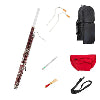
Piccolo – Smaller and higher-pitched, often used for brilliance and projection
-
Alto Flute – Larger with a warm, mellow sound
-
Bass Flute – Produces deep, rich tones with a large body
-
Traditional & Ethnic Flutes – Such as bamboo flutes and the Indian bansuri, often keyless and played differently
Modern flutes may feature advanced key systems to extend range and improve playability. Understanding these options helps players choose the right instrument for their musical goals.
Choosing the Right Flute: Key Factors to Consider
Flute Materials and Build Quality
Flutes are commonly made from nickel silver, silver-plated alloys, solid silver, or gold. Each material influences tone, response, and durability. A well-constructed flute should have smooth key action, airtight pads, and balanced weight for comfortable playing.
Flute Design, Tone, and Playability
Design elements such as key placement, embouchure cut, and headjoint shape significantly affect playability and sound response. Straight and curved headjoints offer different ergonomic benefits, especially for beginners or younger players. Choosing a design that feels comfortable encourages better technique and long-term progress.
Price Range and Value
Flutes range from affordable student models to high-end professional instruments. Beginners do not need the most expensive option—what matters is reliability, consistency, and comfort. Higher-priced flutes often offer refined tone and craftsmanship, but value should always be weighed against playing level and commitment.
Enhancing Your Performance: Techniques and Accessories
Advanced Flute Techniques
Developing advanced techniques can greatly expand musical expression:
-
Vibrato – Adds warmth and depth to sustained notes
-
Double tonguing – Enables faster, cleaner articulation
-
Circular breathing – Allows continuous sound without pausing
-
Multiphonics – Produces layered, complex tones
Consistent practice of these techniques helps flutists achieve a more expressive and controlled sound.
Essential Accessories for Flutists
To maintain performance quality, the following accessories are essential:
-
Protective case and cover
-
Cleaning rod and cloth
-
Tuner and metronome
-
Music stand
-
Instrument stand
These tools support proper maintenance, accurate practice, and instrument longevity.
Exploring Other Instruments: Trigger Cornet and Piccolo Trumpet
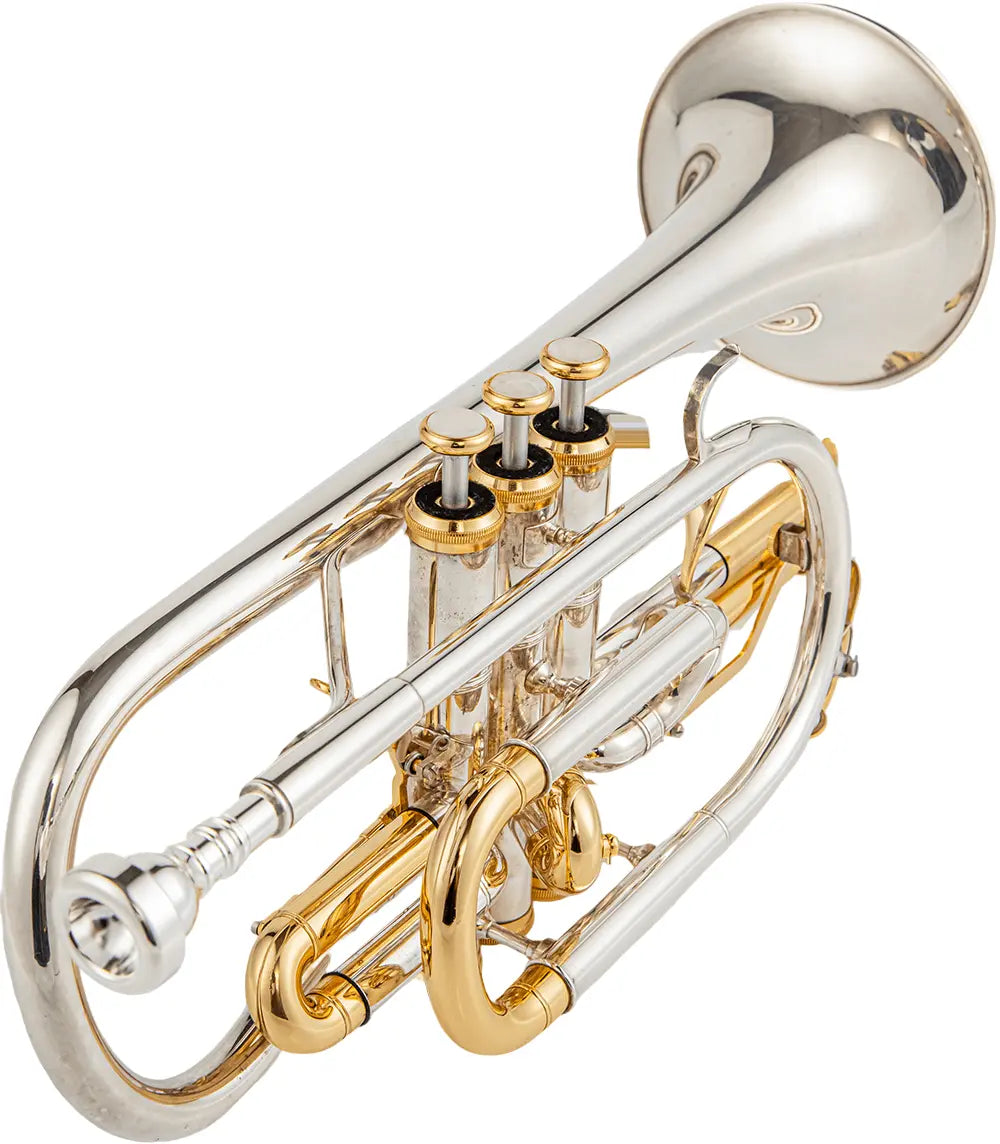
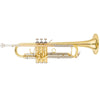
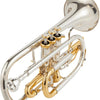
For musicians seeking broader experience, exploring brass instruments such as the trigger cornet or piccolo trumpet can be rewarding. The trigger cornet offers a warm tone with adjustable tuning mechanisms, while the piccolo trumpet delivers brilliant, high-register clarity—commonly used in Baroque music. Learning additional instruments can enhance overall musicianship and musical versatility.


Please upload banner from store admin blog pages