
Discover the Charm of Alto Saxophone: Your Guide to Finding Your Unique Musical Sound
The Basics of Alto Saxophone: A Complete Beginner’s Guide
What is an Alto Saxophone?
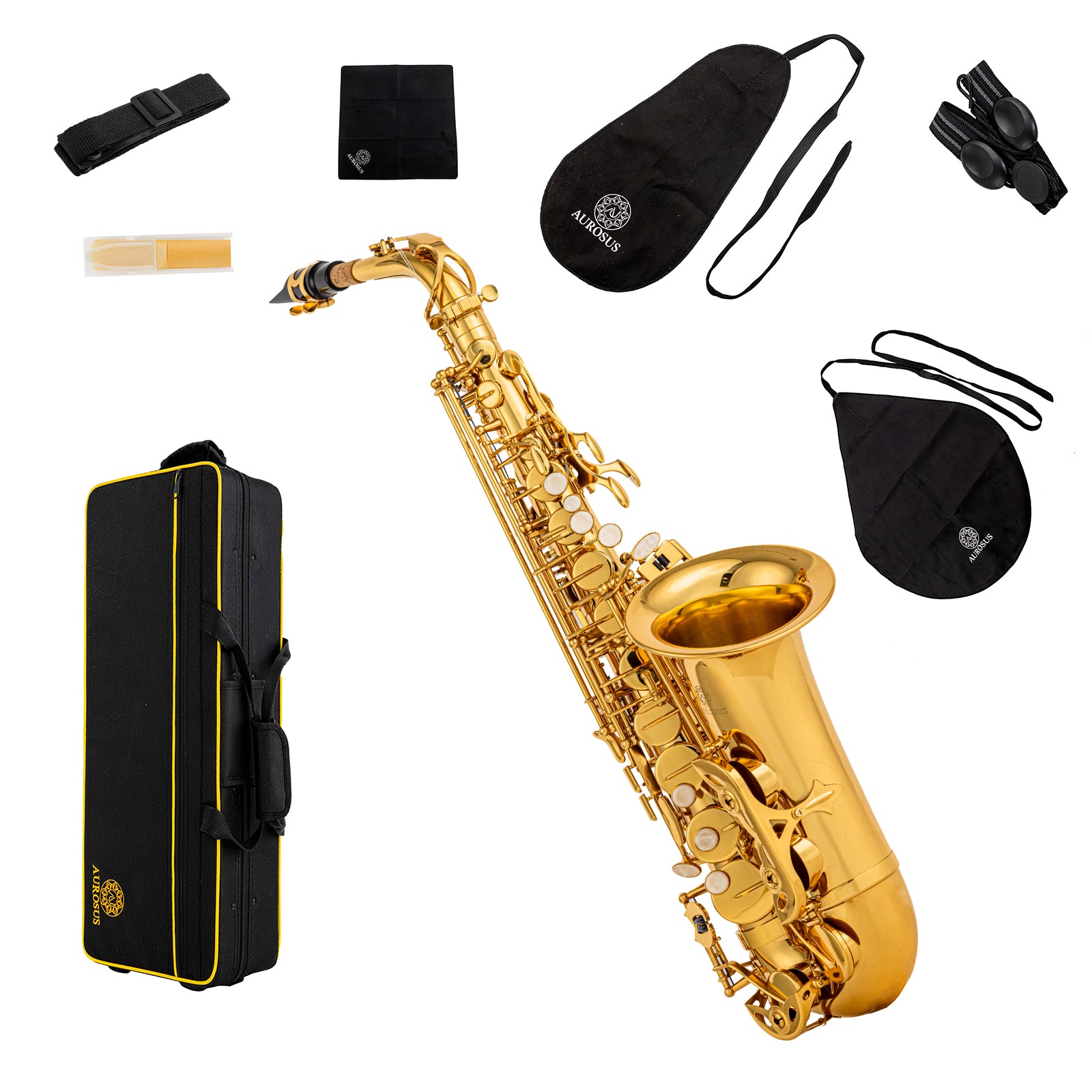
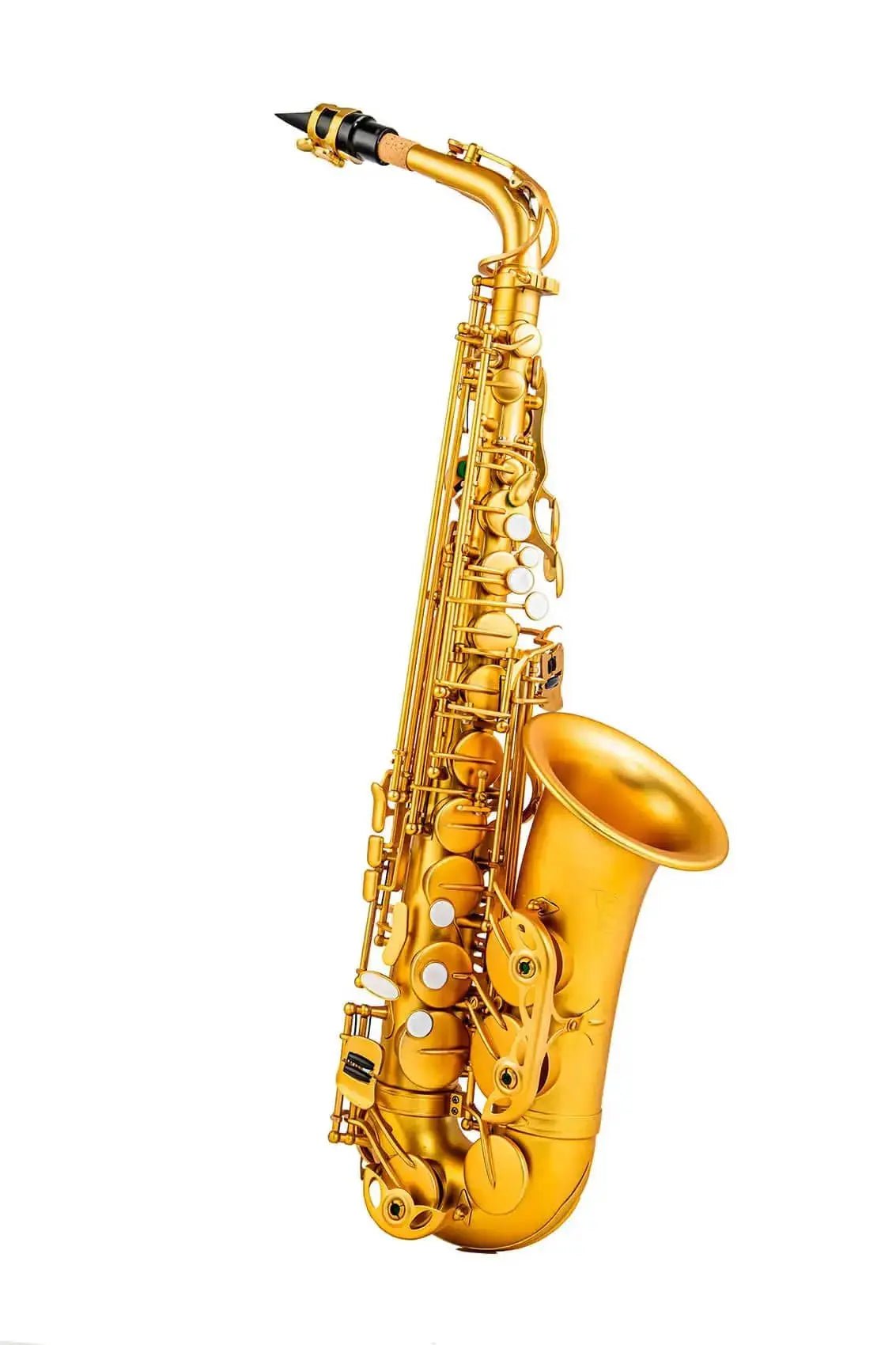
The alto saxophone is a transposing woodwind instrument in the E♭ key. Smaller than a tenor sax and larger than a soprano, it produces a clear, bright tone suitable for jazz, classical, and contemporary music. Its manageable size and versatile sound make it a popular choice for students and beginners.
Anatomy of an Alto Saxophone
Understanding your instrument helps improve technique and sound quality. Key components include:
-
Mouthpiece: Where air enters; the ligature holds the reed.
-
Reed: Typically cane, vibrates to produce sound.
-
Neck: Curved tube connecting mouthpiece and body.
-
Body: Houses the majority of keys.
-
Keys: Control pitch and note transitions.
-
Bell: Projects the sound.
Familiarity with these parts helps you handle the sax confidently and develop a consistent tone.
How to Choose Your First Alto Saxophone
Selecting the right saxophone sets the foundation for your musical growth. Consider:
-
Budget: Find a balance between cost and quality.
-
Skill Level: Student models for beginners; professional models for advanced players.
-
Sound Quality: Listen for a full, resonant tone.
-
Ergonomics: Comfortable key placement and weight are essential.
-
Brand & Reviews: Trustworthy brands ensure durability and support.
-
New vs. Used: New instruments offer warranties; used saxophones can be affordable but require inspection.
Mastering the Alto Saxophone
To excel, practice essential techniques:
-
Long Tones: Develop breath control and consistent sound.
-
Scales & Arpeggios: Improve finger agility and music theory.
-
Vibrato & Articulation: Add expression and precision.
-
Listening & Mimicking: Learn from professionals to refine style.
Reading Music & Improvisation
-
Learn to read sheet music for notes and rhythms.
-
Start improvising with scales and simple melodies.
-
Study jazz greats for phrasing and style.
Consistency in daily practice builds confidence and musicality.
Maintenance Tips for Your Alto Saxophone
-
Regular Cleaning: Use soft cloths and cleaning swabs.
-
Proper Storage: Keep in a sturdy case; avoid extreme temperatures.
-
Careful Handling: Hold by the bell or robust areas.
-
Reed Replacement: Change reeds regularly for optimal tone.
-
Check for Leaks: Pads should seal properly to maintain sound quality.
-
Professional Maintenance: Annual inspections for wear and smooth key action.
-
Lubrication: Apply key oil occasionally for smooth operation.
Advancing Your Musical Sound
Exploring Different Musical Styles
-
Jazz: Improvisation and expressive phrasing.
-
Classical: Complex compositions with precise technique.
-
Rock & Pop: Strong rhythm and melodic support.
-
Funk & Soul: Groove-focused, expressive lines.
-
Latin: Syncopated rhythms and passionate articulation.
Role in Bands and Orchestras
-
Jazz Bands: Lead melodies or solo improvisation.
-
Orchestras: Adds color and blends with woodwinds.
Understanding its role allows saxophonists to contribute meaningfully to any ensemble.
Developing Your Unique Sound
-
Listen to recordings of great saxophonists.
-
Experiment with reeds, mouthpieces, and dynamics.
-
Improvise and record yourself for feedback.
-
Be patient—your unique tone develops over time.

-
Posted in
alto saxophone, yamaha saxophone


Please upload banner from store admin blog pages